
Elizabeth Jane Hall
In addition to our blog, you are welcome to follow us on YouTube through our DIY HEALTH and Wildwood Health Institute channels.
How to Go Plant-Based for Beginners
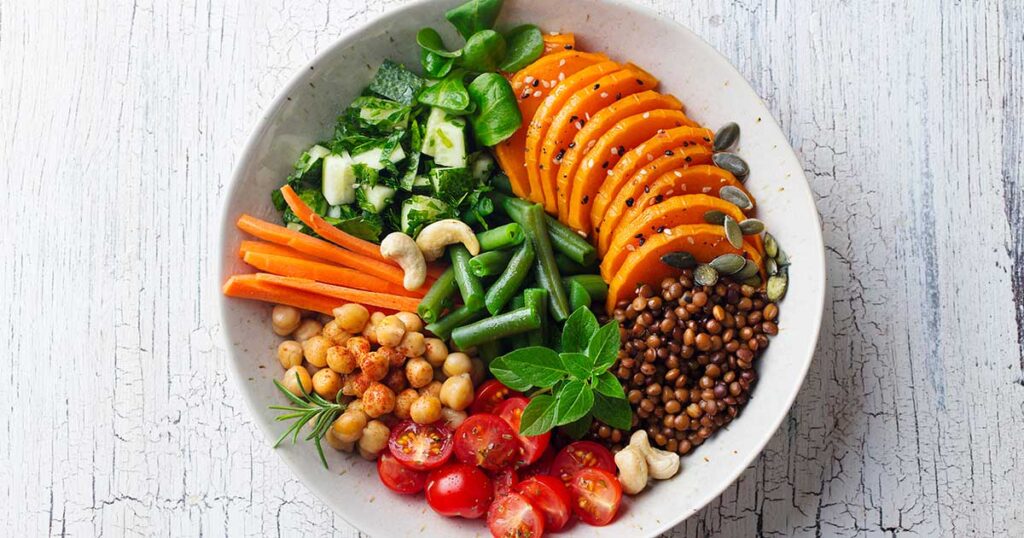
According to Harvard Medical School, a plant-based dietary pattern emphasizes greater reliance on plant-based foods, including whole foods in their natural or minimally processed state. It further promotes adherence to such a dietary pattern, which reduces the risk of developing severe chronic conditions. Mediterranean, vegetarian, …
Read MoreDoes A Vegetarian Diet Help Diabetes?

Do you want tasty diet fare that helps you lose unwanted pounds and lower your risk of type 2 diabetes, hypertension, cardiovascular disease, and chronic kidney disease? Or if you already have type 2 diabetes or atherosclerosis, would you try a delicious diet regimen that…
Read MoreSave Your Back

More than 80% of people will suffer from back discomfort at some point in their lives. The annual cost in the United States for treating back pain has reached an astronomical $85 billion dollars! Low back pain (LBP) is the main cause of disability in…
Read MoreGarbanzo (Chickpea) Cold Cuts
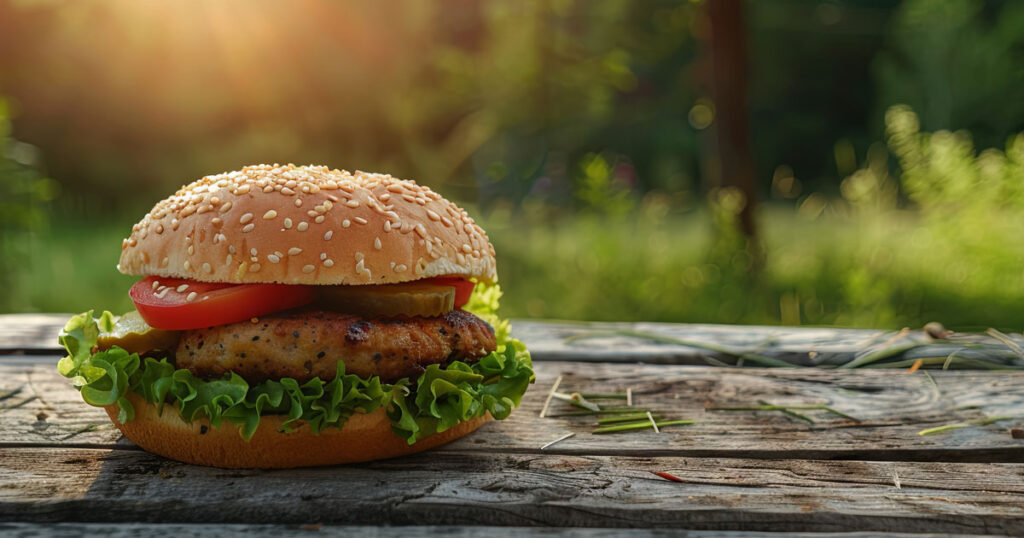
Garbanzos (chickpeas) are rich in fiber and protein. One cup of cooked garbanzos has 12.5 grams of fiber and 14.5 grams of protein which promote satiety. The combination of fiber and protein slows digestion and promotes fullness. Additionally, they score low on the glycemic index,…
Read MoreBrown Russian Bread
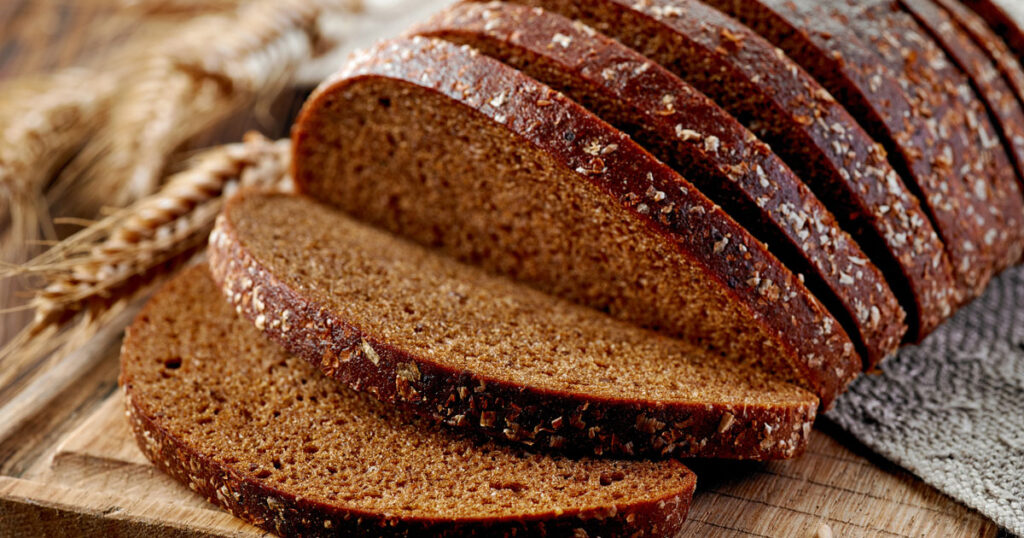
Rye bread lowers the insulin response and improves the blood glucose level more than white or wheat bread. Additionally, rye bread consumption can help reduce total and LDL cholesterol levels. Rye provides satiety. Ingredients: 2 1/4 teaspoons active yeast 3/4 teaspoon honey 1/4 cup warm…
Read MoreDon’t Let Your Brain Shrink!

Both obesity and diabetes cause a clear reduction in brain size without additional contributing factors. The frontal lobes – the CEO of the brain; the hippocampus, so important to memory and mood; the cingulated gyrus, important in adaptability to new situations, are especially vulnerable.
Read MoreHave You Heard? Green, Leafy Veggies Help You Mentally
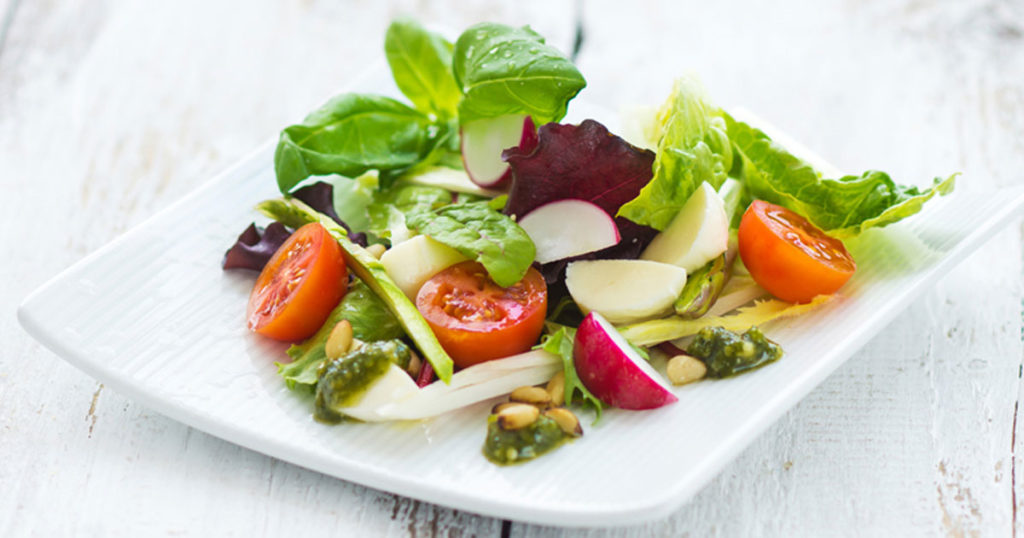
Adding more spinach, broccoli, kale, collards, and salad greens to your diet could help slow cognitive decline. A study of older individuals found that those who ate one to two servings per day had the cognitive ability of a person 11 years younger than those…
Read MoreCould a Regular Schedule Help Your Arthritis?

Cultivate a regular schedule. Cartilage cells have a functioning body clock that switches on and off the genes that control cartilage. Scientists believe that imposing a rhythm by regularly scheduled exercise, restricted meal times, or by targeting the joint itself with scheduled warming and cooling…
Read MoreLack of Exercise Increases Your Risk of Dying from the Flu

Moderate exercise helps to protect us from influenza, but strenuous, exhaustive exercise increases susceptibility to influenza and other respiratory infections. Hong Kong researchers discovered individuals that never or seldom exercise increased their risk of dying from influenza from between 5½ to 8 times. In contrast,…
Read MoreHave You Heard? Green Environments Make You Mentally Sharper!

High school students’ capacity to pay attention increased 13 percent if they had a green view outside of their classroom window. They also performed better on tests and recovered from stress better if they were in a classroom with a view of a green landscape,…
Read More